|
En
recuerdo y con orgullo de nuestros ancestros a quienes debemos nuestra
existencia, a los que lucharon
contra los llamados bárbaros, en climas extremos y un medio geográfico
hóstil.
En
forma especial a Andrés de León, su categoría Coyote
(hijo de Español y
de India), y a su esposa Francisca
Xaviera López Coronel Mireles de Castro, Española. Mis antepasados
del Valle del Pilón.
BAUTISMOS FILM 729982.
“En
26 de Febrero del año de 1713
en esta Parroquia del Valle del Pilon, El Br.Dn. Santiago Garcia
Guerra, Cura, Veneficiado de la Villa de Linares, baptizo y puso los
Stos. Oleos y Crisma de mi
licencia, a Joachin, Joseph, Español hijo legmo. del Capitan Juan
Diego Gomez de Castro, y de Doña Catarina Canttu, vecinos de este
dicho Valle traido ala pila 10 dias de nacido, y fueron sus PP. El
Br.Dn.Ignacio Martinez y Doña Josepha Gomez
y porque conste lo firme= Br. Domingo Guerra. “
“Márgen
izquierdo. Pablo Calletano. Español. 29 Diciembre de 1713.
En
dicho, dia mes y año, baptise y puse los Stos. Oleos y crisma a Pablo
Calletano, Español, hijo legmo. de Domingo de Sepeda y de Ysabel de
Arguello, fueron sus padrinos, Diego de Silva, y Josepha Calletana de
Silva su hermana, a quienes adverti su obligación, y el parentesco
espiritual, y para que conste lo firme=Br. Domingo Guerra. “
“Márgen
izquierdo. Joseph. Español.
En
16 de Septiembre de 1714 años, en la Capilla de la Mota aiuda de
Parroquia desta feligresía, baptize, y puse los Stos. Oleos y crisma,
a Joseph, Español, hijo legmo. de Diego de la Mancha, y de Doña
Luisa de la Garza, y fueron sus padrinos el Capitan Carlos Cantu, y Doña
Josepha Gonzalez, su mujer, a quienes adverti el parentesco espiritual
y la obligación de doctrina y para que conste lo firme. Br. Domingo
Guerra. “
“Márgen
izquierdo. Christobal, Bartholome, Basilio. Español.
En
27 de dicho año de 1715 en esta Yglesia parrochial del Valle del
Pilon baptize y puse los SS. oleos y chrisma a Christobal Bartholome
Basilio Español hijo legitimo de Alonso de Leon y de Gertrudis
Gonzalez vecinos de este Valle trajo a la pila quinze días fueron sus
p.p. el General Christobal de Leon y Doña Luzia Cantu a los quales
adverti su obligación y el parentesco espiritual y para que conste lo
firme. Br. Domingo Guerra “
“Márgen
izquierdo. Narcisa Española.
En
3 de Noviembre de 1715 en esta Yglesia Parrochial del Valle del Pilon
baptize y puse los SS. Oleos y chrisma a Narcisa Española hija
legitima del Capitan Juan de Leon y de Agustina de Quintanilla trajo a
la pila sinco días fueron sus p.p. Don Simon de Jauregui y Doña
Josepha Garrido a los quales adverti su obligación y el parentesco
espiritual y para que conste lo firme. Br. Domingo Guerra.”
“Márgen
izquierdo. Francisco. Español.
En
esta Yglesia Parrochial del Valle de S. Matheo del Pilon en veinte días
del mes de octubre de este presente año de setecientos y veinte
baptize solemnemente y puse los
Santos Olios y chrisma a Francisco Español de quinze días nasido
hijo lexmo. de Alonzo de Leon y de Gertrudis Gonzalez vecinos de este
Valle fueron sus Padrinos Juan Cantu
y Ynes de Leon a
quienes explique el parentesco espiritual la obligación y por verdad
lo firme Vt. Supra- Fr. Joseph de Bergara.”
“Márgen
izquierdo. Esmeregilda Francisca. Española.
En
esta Yglesia Parrochial del Valle de S. Matheo del Pilon. en diez y
ocho días del mes de Noviembre de este presente año de setecientos
veinte bautise solemnemente y puse los Santos olios y chrisma a
Esmeregilda Francisca, Española de quince días nasida hija lexma.
del Capitan Miguel de Leon y de Maria Thereza Garzia Dabila besinos
del Valle de la Mota de esta jurisdicion fueron los padrinos Antonio
de Quintanilla y Doña Ana Dominga Faxardo de Quintanilla aquienes
explique el parentesco espiritual y la obligación y por verdad lo
firme. Vt. Supra. Fr. Joseph de Bergara.”
“Márgen
izquierdo. Ana Maria. Española.
En
esta Yglesia Parrochial del Valle de S. Matheo del Pilon en veinte y
seis días del mes de Junio de este presente año de setecientos
veinte y uno años Dn. Ygnacio Martinez clérigo presbítero de mi
licencia de este Obispado
bautizo solemnemente
y puso los Santos olios y chrisma a Ana Maria Española de
quinze días nasida hija lexma de Juan Diego Gomez y de Catharina
Cantu besinos de este Balle fueron sus padrinos
Joseph Bazan y Josepha Gomez de Castro aquienes se les explico
el parentesco espiritual y la obligación y por verdad lo firme. Vt.
Supra. Fr. Joseph de Bergara. “
DEFUNCIONES
FILM 729997.
Márgen
izquierdo. Ana India Chichimeca. Soltera.
En
30 de septiembre de 1715 años en esta Yglesia Parrochial del Valle
del Pilon di sepultura eclesiástica a Ana de la Cruz Yndia Chichimeca
soltera de la casa de Juan Gomez de Castro no se confeso por averse
muerto repentinamente y para que conste lo firme. V.Br. Domingo
Guerra.”
“
En 2 de Noviembre de 1715 años en esta Yglesia Parrochial del Valle
de el Pilon di sepultura eclesiástica
al cuerpo de Clara Yndia borrada soltera de la Casa y servicio del
Capitan Juan de Leon se confeso y recibió la extrema unción
y para que conste lo firme. Br. Domingo Guerra”
“Márgen
Izquierdo. Ysabel de Leon casada y sus hijos Margarita, Joseph,
Francisca y Maria Lucresia.
En
18 de Noviembre de 1715 años en esta Yglesia Parrochial del Valle del
Pilon di sepultura eclesiástica a los cuerpos de Ysabel de Leon mujer
que fue de Domingo Conde vezino
de este Valle y a Margarita Conde y a Joseph Conde y a Francisca Conde
y a Maria Lucresia hijos de la dicha Ysabel todos los quales no se
confesaron ni recibieron los Sacramentos por aver muerto
repentinamente amanos de los Yndios Chichimecos en la Labor del
Espiritu Santo del Capitan Thomas de la Garza y para que conste lo
firme- Br. Domingo Guerra.”
“Márgen
izquierdo. Santiago de Leon. Casado.
En
16 de Marzo de 1717 años en esta Yglesia Parrochial del Valle del
Pilon le di sepultura eclesiástica al cuerpo del Capitan Santiago de
Leon vezino de este Valle y marido que fue de Doña Catharina de las
Rivas, se confeso y recibió los demas sacramentos y hizo disposision
testamentaria y para que que conste lo firme=Br. Domingo Guerra.”
“Márgen
izquierdo. Miguel de Leon. Casado.
En
24 de Mayo de 1717 años en esta Yglesia Parrochial del Valle del
Pilon di sepultura eclesiástica al cuerpo del Capitan Miguel de Leon
marido que fue de Doña Francisca de Allala, se confeso y recibió los
demas Sacramentos y hizo testamento y para que conste lo firme= Br.
Domingo Guerra. “
“Márgen
izquierdo. Doña Francisca de Ayala. Viuda.
En
dos de Junio de 1717 años en esta Yglesia Parrochial del Valle del
Pilon le di eclesiástica sepultura al cuerpo de Doña Francisca de
Ayala viuda del Capitan Miguel de Leon se confeso y recibió los demas
Sacramentos y por que conste lo firme. Br. Domingo Guerra.”
“Márgen
izquierdo Bernabe Gonzalez. Casado.
En
quatro de Junio de 1717 años en esta Yglesia Parrochial del Valle del
Pilon le di sepultura eclesiástica al cuerpo de Bernabe Gonzalez
vezino que fue de este dicho Valle y marido de Doña Josepha Cantu, se
confeso y recibió los demas sacramentos y hizo disposision
testamentaria, y para que conste lo firme=Br. Domingo Guerra.”
Márgen
izquierdo. Antonio Salinas. Soltero.
En
22 de Septiembre de 1717 años en esta Yglesia Parrochial del Valle
del Pilon le di eclesiástica sepultura al cuerpo de Antonio Salinas
soltero se confeso y resivio los demas sacramentos y para que conste
lo firme= Br. Domingo Guerra.
“Márgen
izquierdo. Doña Agustina Cantu. viuda.
En
29 de Febrero de 1718 años en esta Yglesia Parrochial del Valle del
Pilon le di sepultura eclesiástica al cuerpo de Doña Agustina Cantu
viuda del General Alonso de Leon se confeso y recibió los demas
Sacramentos y hizo testamento y para que conste lo firme= Br.Domingo
Guerra.”
“
En Primero de Abril de este presente año de mil setecientos y diez y
ocho fue restituida la Administracion de los Santos Sacramentos, con
sus dos Capilla alludas de Parroquia de estos dos Valles del Pilon y
Mota. A los Religion de N.S.Pe.S. Francisco de esta Santa Provincia de
los Sa catecas, con todos abitados
y entrantes y salientes de todos Paises asi Españoles como
Mestizos Negros y Mulatos, Por el Exmo. Señor Virrey de esta
Nueva España Sr. El Marquez de Valero, con el voto consultivo del
Real Acuerdo cuio despacho obedesio el Ylmo. y Rvmo. Sr. Vico. Dn.Fr.
Manuel de Ninbela Obpo. de este Obispado de Guadalaxara y dio su
Commson. Para que hisiese en su lugar
a nombre dicha Restitucion a el R.Pe.Fr. Francisco de Robles
Jubilado Calificador y Comisario del Sto. Oficio examinador Synodal de
este Obispado, Cura Maestro Doctrinero del Convento de San Esteban del
Saltillo quien envio en posesion oi
dia de la fecha, paseándole por la Yglesia de S Mateo
y haciendo todas las demas ceremonias que se abituan ael
Pe.Prvor.Fr. Joseph de Bergara Mtro. de este Obispado de Guadalaxara y
porque conste lo firme en dicho dia mes y año. Fr.
Joseph de Bergara.”
“
Márgen izquierdo. Carlos Cantu. Español. 1719
En
esta Yglesia Parrochial del Valle de San Matheo del Pilon en tres días
del mes de Noviembre di
sepultura eclesiástica al cuerpo del Capitan Carlos Cantu casado con
Doña Josepha Gonzalez recibió
los sacramentos y ------ disposision testamentaria y para que conste
lo firme. Vt. Supra, Fr. Joseph de Bergara.”
“Márgen
izquierdo Sargento Mayor Carlos Cantu, Español.
En
esta Yglesia Parrochial del Valle de San Matheo del Pilon en treinta días
del mes de enero de este presente año de
setecientos y veinte di sepultura eclesiástica al cuerpo del
Sargento Mayor Carlos Cantu recibio todos los Santos Sacramentos dejo
poder para testar y para que conste lo firme. Vr Supra- Fr. Joseph de
Bergara.”
“Márgen
izquierdo. Doña Leonor Garzia Dabila. Española.
En
esta Yglesia Parrochial del Valle de San Matheo del Pilon en veinte y
dos días del mes de febrero de este presente año de setecientos y
veinte di sepultura eclesiástica al cuerpo de Doña Leonor Garzia
Dabila, Española muxer que fue del General Don Christoval de Leon de
esta feligresía recibió todos los Santos Sacramentos y para que
conste lo firme. Vt. Supra. Fr. Joseph de Bergara. “
“
Márgen izquierdo. El Gral. Christoval de Leon. Español.
En
esta Yglesia Parrochial de el Valle de S. Matheo del Pilon en diez y
ocho días del mes de Marzo de mil setecientos veinte y siete años,
di sepultura eclesiástica a el cuerpo del Gral. D. Christoval de
Leon, viudo de Doña Leonor Garzia de Avila, recibió los Santos
Sacramentos seria de edad de sesenta años y hizo su testamento y para
que conste lo firme. Vt. Supra. Fr. Joseph Bergara. “
“Márgen
izquierdo. Doña Aldonza de Leon . casada.
En
esta Yglesia Parrochial del Balle de San Matheo del Pilon en primero
de Junio de este presente año de mil setecientos y veinte y siete di
sepultura eclesiástica ael cuerpo de Doña Aldonza de Leon española
vesina del Valle de la Mota de esta feligresía casada con el Capitan
Juan Garzia Davila. Recibió todos los Santos Sacramentos y
hiso su testamento seria de edad de mas de sesenta años y por que
conste lo firme Vt. Supra. Fr. Josep de Bergara.”
“Márgen
izquierdo. Juan Garzia Dabila. Español. de la Mota. 1732.
En
8 de Diziembre se hizieron las honrras de el Capitan Juan Garzia
Dabila; vezino de la Mota, el que murió el dia 28 de Noviembre y se
llevo su cuerpo a enterrar a la Villa de Cadereyta, resivio los Stos.
Sacramentos y hizo su testamento con toda disposision, y para que
conste lo firme- Fr. Manuel Cortinas.”
“Márgen
izquierdo. Juan Miguel Ynojosa. Español. de la Mota. 1735
En
26 de Abril de dicho mes y año se le dio sepultura eclesiástica en
la Capilla de la Mota por el Br.Don Juan Gonzalez Hydalgo, a Juan
Miguel de Ynojosa Español el que murió de la cornada de un toro, se
confeso, y para que conste lo firme. Fr.Manuel Cortinas.”
“Márgen
izquierdo. Doña Maria Theresa Garzia. Española. de la Mota.
En
dos de Mayo de 1735 años el Br. Don Juan Gonzalez Hydalgo dio
sepultura Eclesiastica en la Capilla de la Mota a Doña Maria Theresa
Garzia Dabila Española mujer del Capitan Miguel de Leon. murió de un
rayo que la mato repentinamente, y para que conste lo firme. Fr.
Manuel Cortinas.”
“Márgen
izquierdo. Francisca Theodora. Española. del Pilon. Junio de 1735.
En
15 de dicho mes y año. se le dio sepultura Eclesiastica a Francisca
Theodora Española mujer de Antonio de Sylba vecinos de este Valle del
Pilon, aviendo recevido los
Stos. Sacramentos con toda devoción. no tubo de que testar, tendría
como quarenta años, y para que conste lo firme. Fr.Manuel Cortinas.”
Nota.
Doña Francisca Theodora Treviño fue la
madre de Jose´Antonio de Sylba Treviño, esposo de María
Candelaria de Leon, mis ancestros,
padres de María de los Santos Silva de Leon.
“Márgen
izquierdo. Miguel de Leon. Español. de la Mota. Junio de 1735.
En
17 de dicho mes, y año se le dio sepultura Eclesiastica en la Capilla
de la Mota al Capitan Miguel de Leon Español viudo de Doña Maria
Thereza Garzia, aviendo echo su testamento con toda dispocission, y
recevido los Santos Sacramentos, no se conoció su enfermedad, seria
de edad de sesenta años, y para que conste lo firme. Fr.Manuel
Cortinas.”
“Márgen
izquierdo. Luiza yndia del rancho de la Condesa de Penalba.
En
primero de Julio de 1735 años le di sepultura Eclesiastica a Luiza de
la Cruz yndia viuda sirviente en la Hazienda de la Condesa de Penalba,
se confeso y recibió la extrema unsion, y para que conste lo firme.
Fr. Manuel Cortinas.”
“Márgen
izquierdo. Lusgarda Rodriguez. Española . De el Pilon.
En
esta Yglesia Parroquial de el Pilon. En ocho de Mayo de 1738 años. di
sepultura eclesiástica a Lusgarda Rodriguez de MonteMayor, española
casada con el Capitan Juan de Leon, aviendo recevido los Santos
Sacramentos no hizo
testamento, porque murió de parto, y para que conste lo firme.- Fr.
Manuel Cortinas.”
“Márgen
izquierdo. Don Joseph Bazan. Español, fabrica de 20 pesos.
Octubre de 1757.
En
esta Parroquia del Pilon en nueve
de dicho mes y año di sepultura
eclesiástica en fabrica de veinte pesos a Dn. Joseph Bazan, casado
con Doña Juana de Leon no recibió los Stos. Sacramentos por que
quando llamaron ya havia muerto hizo testamento y quedaron de albaceas
Don Salvador Gomez de Castro y Doña Juana de Leon y para que conste
lo firme. Vt. Supra. Fr. Thomas Correa.”
“
Márgen Izquierdo. Pilon. Andres de Leon. Coyote. Fabrica de 3 pesos.
En
esta Yglesia Parrochial del Valle del Pilon en diez y nueve días del
mes de Noviembre de sincuenta y siete años yo Fr. Francisco Uraga de
Licencia parrochi di eclesiástica sepultura a Andres de Leon Coyote,
casado con Francisca Mireles murió de tabardillo de edad de sesenta y
dos años, recibió los Stos. Sacramentos de penitencia y extremaunción,
no hizo memoria por ser pobre ; y para que conste lo firme.Vt.
Supra. Fr. Francisco de Uraga.”
“Margen
izquierdo. Pilon. Don Juan de Ochoa. Español. fabrica.
En
esta Yglesia Parrochial del Valle del Pilon en veinte iun días del
mes de Noviembre de sincuenta y siete años, yo Fr. Francisco Uraga:
de licencia parrochi di eclesiástica sepultura a Dn. Juan de Ochoa
viudo de Doña Polonia Gomez de Castro, murió de tabardillo de edad
de sesenta y quatro años. Español, rrecivio los Stos. Sacramentos,
no hizo memoria por ser pobre, y
para que conste lo firme: Vt. Supra.Fr. Francisco Uraga.”
MATRIMONIOS
FILM 731032.
“Márgen
izquierdo. Juan de Leon coyote con Thomasa de los Rios.
En
esta Yglesia Parrochial del Valle del Pilon en 15 de febrero de mil
setecientos diez y seis case
y vele ynfacie eclesie a Juan de Leon Coyote natural de este Valle
hijo natural del Capitan Miguel de Leon con Thomasa de los Rios
mestiza y viuda que fue de Joseph de la Cruz aviendo presedido todas
las diligencias que dispone el Santo Concilio de Trento y aviendose
amnonestado en tres días festivos intermisarun solemnia no resulto
impedimento alguno y a la zelebracion de dicho matrimonio fueron
testigos Alonso de Leon Miguel Ramirez y otras muchas personas que se
hallaron presentes y para que conste lo firme.=Br.Domingo Guerra.”
“
En la Ciudad de Nuestra Señora de Montterei en tres días del mes de
Mayo de mil setecientos y diez y seis años El Sr.Br. Dn. Joseph
Codallos y Rabal, Maestro en Philosofia, Dr. En Sagrada Theologia,
Calificador y Comisario
del Sto. Oficio, Examinador Sinodal, y Visitador General de Este
Obispado con El Yllmo. y Rmo. Ssr.
Dn. Fray Manuel de Minbela Obispo de Guadalaxara, del Consejo de su
Magestad--------- Estando su Ssa. Dho. SS.Visittador en su actual
visita, visitto estte libro de casamienttos, y velaciones del cargo
del Br. Dn. Domingo Guerra, Cura Proprio del Balle del Pilon y su
partido, reconocidas las partidas de dicho libro, allo SSa. Estar en
conveniente forma, la qual mando, se guarde en lo de adelantte. Asi lo
proveyó mando, y firmo por ante mil el ynfraescripto
--y SSo. de visita. Dr. Joseph Codallos y Rabal. Ante mi
Rosendo Marques testigo de visitas.”
“Márgen
izquierdo.El General Christoval de Leon con Doña Leonor Garzia de
Avila.Españoles.
En
esta Yglesia Parrochial del Valle de San Matheo del Pilon en nueve días
del mes de Julio de mil setecientos diez y nueve aviendo presedido
todo lo que ordena el Sto. Concilio de Trento leídas banas en tres días
festivos ynter misarum solemnia de las quales no resulto ningún
impedimento case y vele ynfacie eclesie
y según el orden de nuestra Santa
Madre Yglesia al General Christoval de Leon con Doña Leonor
Garzia de Abila. Españoles vecinos del Valle de la Mota de esta
jurisdicion fueron testigos a la celebración del el Sargento Mayor
Nicolas de Ochoa, el Sargento Mayor Carlos Cantu, el Capitan
Miguel Leal y otros muchos y por que conste lo firme Vt.
Supra.”
“Márgen
izquierdo. El Alferez Santiago Cantu con Doña Petronila Garzia
Davila.Españoles.
En
esta Yglesia Parroquial del Valle de San Mateo del Pilon en 26 dias
del mes de Julio de 1724 años, aviendo presedido y recibido todo lo
ordenado por el Sto. Concilio leidas banas en tres días fesivos
intermisarumzolemnia, de las quales no resulto ningún ympedimento
case y bele ynfacie eclesie según el orden de nuestra Sta.Madre
iglesia a el Alferez Santiago Cantu con Doña Petronila Garzia Davila
Españoles fueron sus padrinos El Capitan Miguel de Leon y Doña Maria
Teresa Garzia Davila su mujer, y fueron testigos a la selebracion de
dicho matrimonio El Sargento Maior Nicolas de Ochoa, El Capitan Juan
Diego Gomez de Castro, y el General Xptobal de Leon: presentes y
vecinos de este Valle y por que conste lo firme. Vt. Supra=Fr.Joseph
de Bergara”
“Margen
izquierdo. Pilon . Andres de Leon coiote con Francisca Xaviera Lopez
Coronel. Española.
En
esta Yglesia Parrochial de San Matheo Valle del Pilon en diez y seis días
del mes de henero del año de mil setecientos veinte, y nueve habiendo
presedido todas las diligencias que el Sto. Concilio de Trento manda y
haviendose leydo las amonestaciones en tres días festivos
intermisarum solemnia y no habiendo resultado impedimento alguno casse,
y velle infacie eclesie a Andres de león coiote viudo de
Maria de la Cruz Yndia, con Francisca Xaviera Lopez Coronel
Española hija lexma. de Simon Lopez Coronel, y de Antonia Mireles de
Castro Españoles originarios de la Ciudad de Queretaro, y asistentes
en esta jurisdicion de treinta años a esta parte, fueron sus Padrinos
Juan de Leon y su esposa Doña Lusgarda Rodriguez vecinos de este
Valle del Pilon y testigos del matrimonio Juan Cantu, Marcos Leal, y
Nicolas Rodriguez con otros muchos que presentes estaban, y para que
conste lo firme en dicho dia mes, y año. Vt Supra. Fr. Joseph
Mejia.”
“Margen
izquierdo. Pilon. Joseph Joachin mulato libre con Maria Ylaria Española.
En
dicho dia, mes, y año Vt. Supra en esta Yglesia Parroquial de San
Matheo Valle del Pilon habiendo presedido todas las diligencias que el
Sto. Concilio de Trento manda, y haviendose leydo las amonestaciones
en tres días festivos intermisarumsolemnia, y no habiendo resultado
impedimento alguno casse y velle infacie eclesie a Joseph Joachin
mulato libre hijo de Catharina de la Cruz mulata libre, y
de padre no conocido con Maria Ylaria Española hija lexma. de Simon
Lopez Coronel, y de Antonia Mireles de Castro Españoles originarios
de la Ciudad de Queretaro, y asistentes en esta jurisdicion de treinta
años a esta parte fueron los Padrinos Nicolas Rodriguez Español, y
Pasquala de Leon Española vecinos de este Valle de el Pilon. y
testigos a el matrimonio Juan de Leon, Juan Cantu, y Marcos Leal con
otros muchos que presentes estaban y para que conste lo firme en dicho
dia, mes, y año. Vt.Supra. Fr. Joseph Mejia.”
Márgen
izquierdo. Pilon, Juan Francisco Balcazar con Rosa Lopez Coronel Españoles.
1736.
En
dicho dia, mes, y año en esta Yglesia Parrochial de San Matheo Valle
del Pilon, aviendo
presedido todas las diligencias que
el Sto. Concilo de Trento manda, y no aviendo resultado impedimento
alguno casse a Juan Francisco Balcazar Español hijo lexmo. de Pedro
Geronimo de Balcazar difunto y de Ygnes de Ontiveros Españoles
originarios del Real, y Minas de San Joseph del Parral, y asistentes
en esta jurisdicion de un año, y seis meses a esta parte. con Rosa
Lopez Coronel Española viuda de Joseph Lopez originarios de este
Valle del Pilon; fueron sus padrinos Matheo Rodriguez, y Doña
Francisca de Leon Españoles y vecinos de este dicho Valle del Pilon y
testigos a el matrimonio Juan Cantu, Juan de Leon, Nicolas Rodriguez
todos vecinos de este Valle del Pilon y para que conste lo firme en
dicho dia, mes y año Vt. Supra.Fr. Joseph Mejia.”
“Márgen
izquierdo. Francisco Gomez de Castro Español con Maria Rodriguez
mulata. de el Pilon.
En
sinco de Marzo de 1737 años, casé y belé infacie eclesie a
Francisco Gomez de Castro hijo lexo. de Juan Diego Gomez de Castro
Español ya difunto y de Doña Catharina Cantu Española vesina de
este Valle, con María Rodriguez originaria de la Villa de San Phelipe,
hija lexa. de Phelipe Rodriguez mestizo, y de Gertrudis Efigenia
mulata residentes en la Villa de Linares. Fr.
Manuel Cortinas.”
“
Márgen izquierdo. Pedro Joseph Fernandez con Maria Josepha Cantu Españoles.
En
veinte y uno de Noviembre de 1732 en la Capilla de la Mota casé y velé
infacie eclesia a Pedro Joseph Fernandez Español vezino de Pesqueria
Grande hijo lexo. de el Capitan Pedro Macario Fernandez, y de Doña
Maria Cabazos Españoles vecinos de dicho Valle de Pesqueria, con
Maria Josepha Cantu Española originaria de este Valle hija lexa. del
Capitan Carlos Cantu, ya difunto y de Doña Josepha Gonzalez Españoles,
aviendo presedido todas las diligencias que ordena el Sto. Concilio, y
amonestadose en tres días festivos intermissarum solemnia, de que no
resultó impedimento fueron
sus padrinos. Joseph Guaxardo y su esposa Maria Theresa Cantu, estando
presentes todos los vecinos de el Valle de la Mota, y para que conste
lo firme.Fr.Manuel Cortinas. “
“
Márgen izquierdo. Miguel Coronel. Español con Antonia Margarita
Coyota. del Pílon. 1736.
En
dicho dia, mes, y año, dicho P.Pr. Fr. Antonio Corral con mi licencia,
casó y beló infacie eclesie a Juan Coronel. Español originario de
este Valle hijo lexo. de Simon Coronel difunto y de Antonia Mireles de
Castro Españoles, con Antonia Margarita coyota originaria de este
Valle hija natural de Joseph Antonio Ballejo Español, y de Agustina
de la Cruz yndia rayada, aviendo presedido todas las diligencias que
manda el Sto. Concilio, de que no resultó impedimento fueron padrinos
Juan Manuel Sarasua y Maria Antonia Hernandez y para que conste lo
firme.- Fr. Manuel Cortinas.”
“Márgen
izquierdo. Francisco Xavier Treviño. con Antonia Gutierrez Españoles
del Pilon.
En
16 de Noviembre de 1733 años, case y
vele infacie eclesie a Francisco Xavier Treviño Español
originario del Valle del Guaxuco, hijo lexo. de Alexos de Treviño,
difunto y de Doña Josepha Cavallero Españoles, con Antonia Gutierrez
Española vezina de este Valle del Pilon hija lexa. de Thomas
Gutierrez y de Doña Juana de Leon Españoles, aviendo presedido todas
las diligencias que manda el Sto. Concilio de Trento, siendo primero
dispensados por el Sor. Obispo en los grados de tercero con quarto de
sangre en igualdad; y no aver resultado otro impedimento se
amonestaron en tres días festivos intermissarumsolemnia. Fr. Manuel
Cortinas.”
“
Márgen izquierdo. Pedro Gomez de
Castro con Francisca Esmeregilda de Leon. Españoles.
En
20 dias de el mes de febrero de de 1735 años, casé y velé infacie
eclesie en la Capilla de la Mota a Pedro Gomez de Castro Español
vezino de la Villa de Linares, hijo lexo. De Juan Gomes de Castro ya
difunto, y de Doña Clara Sanchez de Samora, con Francisca Esmeregilda
Perez de Leon. Española. Hija lexa. del Capitan Miguel de Leon y de
Dona Maria Thereza Garzia Davila Españoles vecinos de el Valle de la
Mota, padrinos Abito Joseph de Quintanilla y su
esposa Maria Catharina Gomez de Castro
“Márgen
izquierdo. Joseph Salvador de la Garza con Mariana de Leon. Españoles.
En
esta Yglesia Parroquial de San
Matheo de el Pilon en 24 de de Abril de 1735 años, casé y velé
infacie eclesie a Joseph Salvador de la Garza Falcon , originario del
real de Sabinas, hijo lexo. de Don Joseph Eugenio de la Garza Falcon,
y de Doña Juana de Villarreal, con Mariana de Leon originaria de este
Valle del Pilon, hija lexa. del Capitan Juan de Leon, y de Doña
Lusgarda Rodriguez, Españoles, aviendo precedido de ambas partes
todas las diligencias, que manda el Sto. Concilio de Trento de que no
resulto impedimento, fuera del de quarto grado de sangre en igualdad
en que se les dispenso por el M. Ylustre Cabildo, cede vacante de
Guadalaxara como asimismo, aviendo traido el dicho Licencia inscriptis
de su Parrocho Don Rodrigo Flores de Valdes, fueron padrinos el
Capitan Juan Cantu, y su esposa Ynes de Leon vecinos de este dicho
valle de el Pilon-----------
“Márgen
izquierdo. Joseph Manuel Gonzalez Hydalgo con Maria Gertrudis de Leon
Españoles de el Pilon.
Assimismo
en dicho dia, casé y velé infacie eclesie a
Joseph Manuel Gonzalez Hydalgo Español hijo lexo. de Don Bernabe
Gonzalez Hydalgo, ya difunto, y de Doña Josepha Cantu Españoles con
Maria Gertrudis de Leon hija lexa. del Capitan Juan de Leon y de Doña
Lusgarda Rodriguez, aviendo precedido todas las diligencias que
manda el Sto. Concilio de Trento, y amonestados en tres días festivos
inter misarum solemnia de que no resulto impedimento, fuera de el de
quarto con tercero de sangre en que fueron dispensados por M. Ylle. y
Be. Dean y Cabildo cede vacante de la ciudad de Guadalaxara. se
hallaron presentes a dichos matrimonios todos los mas vecinos de este
Valle, y para que conste lo firme. Fr. Manuel Cortinas.”
Transcribí
estos registros respetando su escritura original.
San
Luis Potosí, S.L.P. a 4 de Abril de 2011.
El Teniente Coronel Intendente Ret. Ricardo Raúl Palmerín
Cordero.
Investigador
de Genealogía e Historia.
|

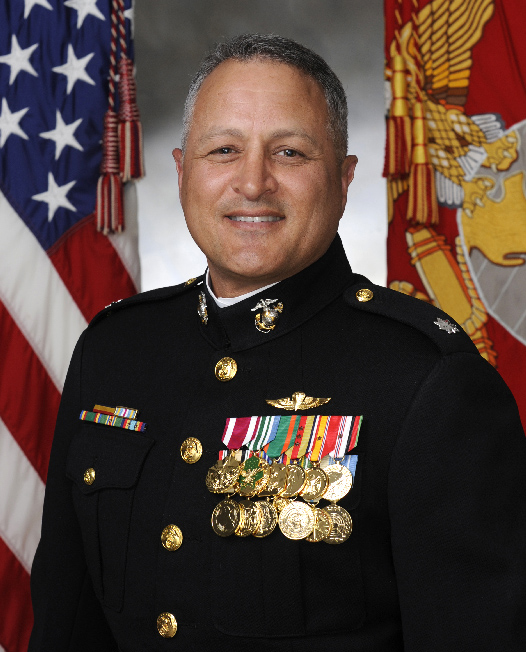 Lt.Col. Lon
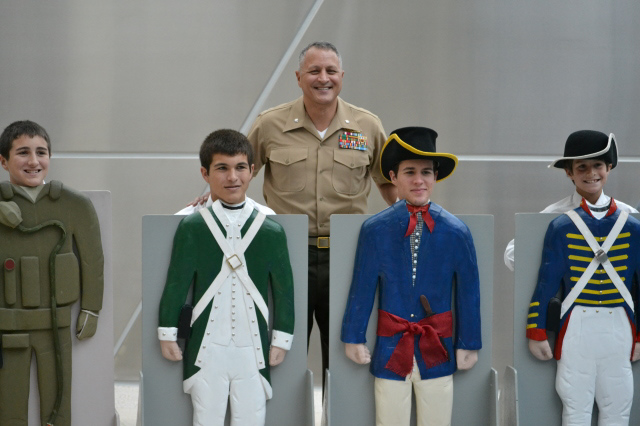
VomBaur was born on 8 December 1957 in Salt Lake City, Utah.
Lt.Col. Lon
VomBaur was born on 8 December 1957 in Salt Lake City, Utah.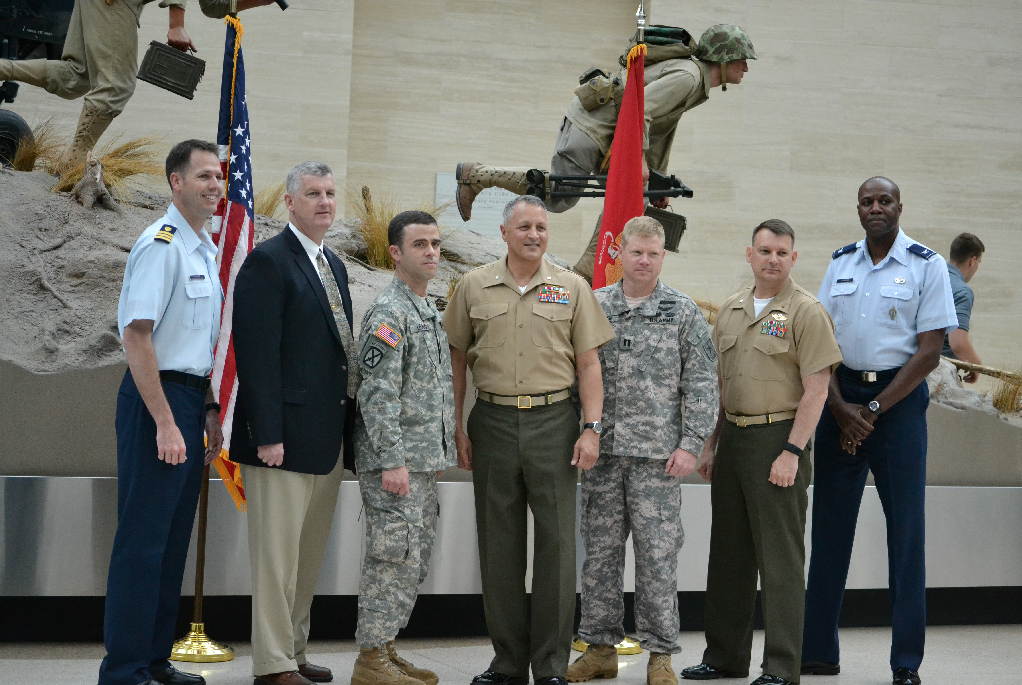
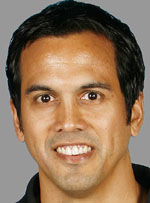
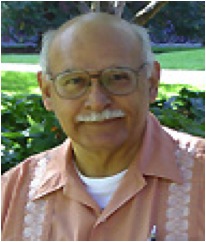
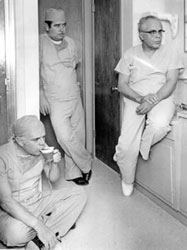 As a young physician who returned to his home community to practice medicine, Dr. Mario E. Ramirez played a pivotal role in bringing formal health care to Starr County. Located in the western edge of the Rio Grande Valley, Starr County is bordered by Hidalgo County (McAllen) Jim Hogg County (Hebbronville) to the north, and Zapata County (Zapata) to the west. The Rio Grande River serves as its boundary with Mexico to the south.
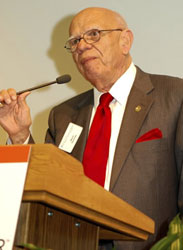 Motivated by the professional isolation he experienced as a country doctor and the severe shortage of health professionals in the Lower Rio Grande Valley, Dr. Ramirez proposed the creation of the Med-Ed Program during his tenure as UT Health Science Center Vice President for South Texas Programs. In the latter part of his career, Dr. Ramirez established and nurtured the Med-Ed Program. This program has inspired more than 2,200 students in the Rio Grande Valley and Laredo with the message that college and health science careers are attainable. In 2007 Dr. Ramirez celebrated his retirement from the UT Health Science Center, where Dr. Francisco Cigarroa, former President of the UT Health Science Center San Antonio, spoke of the significance of Dr. Ramirez's contributions to the advancement of medical education in South Texas, calling him "one of the greatest heroes that Texas has produced."








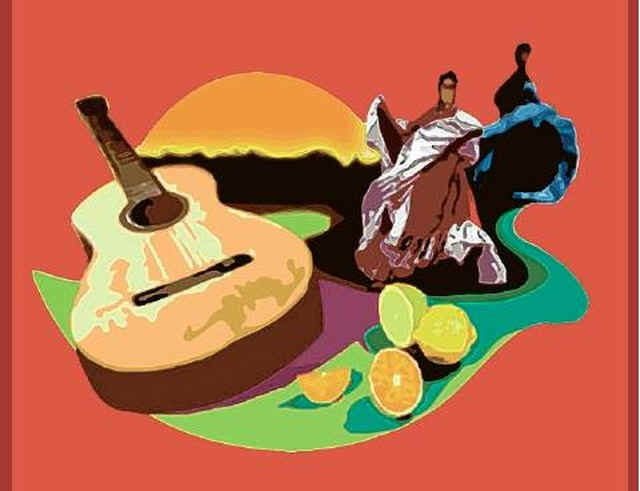
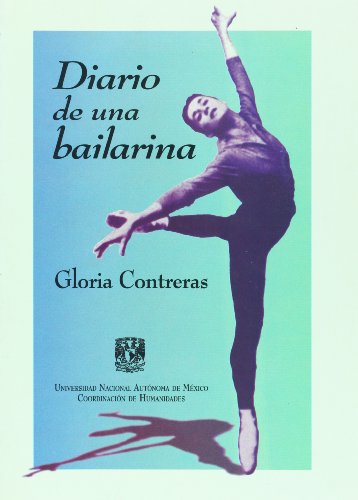
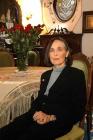 Currently she teaches choreography at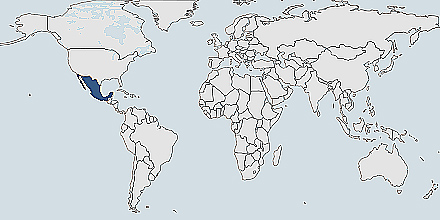
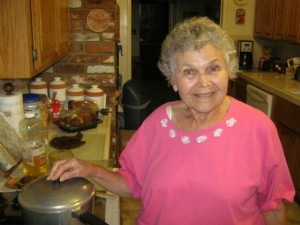
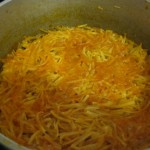 My mom is by her nature happy, never more so than when she’s cooking for someone. While she was born here, Spanish is her language of intimacy and emotion. It’s her language for times of worry, but also happiness. On this trip, I not only got her recipe, but absorbed in a way I hadn’t before her transformation to my Mexican mom.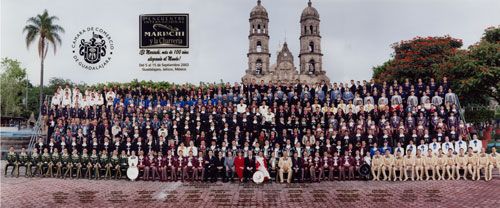
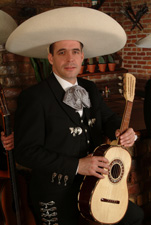 LOS
CABALLEROS IS THE FIRST CROATIAN MARIACHI BAND THAT PERFORMS TRADITIONAL
MEXICAN MUSIC. AFTER THE RELEASE OF THEIR FIRST ALBUM "FIESTA
MEXICANA" AND THE SERIES OF SUCCESSFUL CONCERTS, THEY WERE INVITED
TO PERFORM AT THE 7th INTERNATIONAL MARIACHI AND CHARRERÍA FESTIVAL IN
GUADALAJARA, MÉXICO, WHERE THEY WERE HONORED TO PLAY SIDE BY SIDE WITH
THE MOST ADMIRED MARIACHI BANDS OF OUR TIME, LIKE MARIACHI VARGAS DE
TECALITLÁN, MARIACHI DE AMÉRICA AND LOS CAMPEROS DE NATI CANO.
LOS
CABALLEROS IS THE FIRST CROATIAN MARIACHI BAND THAT PERFORMS TRADITIONAL
MEXICAN MUSIC. AFTER THE RELEASE OF THEIR FIRST ALBUM "FIESTA
MEXICANA" AND THE SERIES OF SUCCESSFUL CONCERTS, THEY WERE INVITED
TO PERFORM AT THE 7th INTERNATIONAL MARIACHI AND CHARRERÍA FESTIVAL IN
GUADALAJARA, MÉXICO, WHERE THEY WERE HONORED TO PLAY SIDE BY SIDE WITH
THE MOST ADMIRED MARIACHI BANDS OF OUR TIME, LIKE MARIACHI VARGAS DE
TECALITLÁN, MARIACHI DE AMÉRICA AND LOS CAMPEROS DE NATI CANO.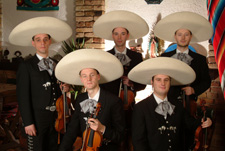
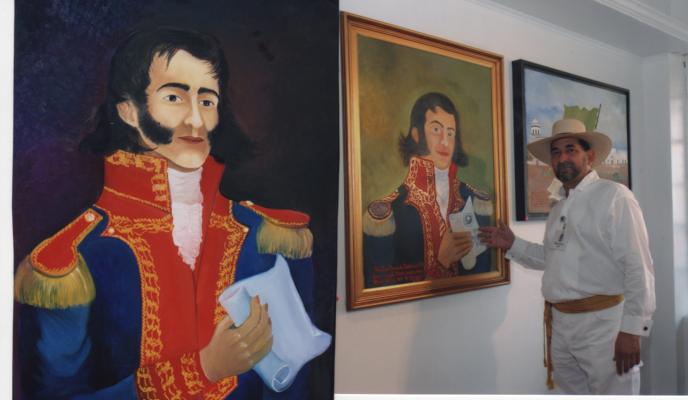




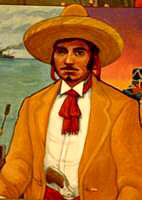
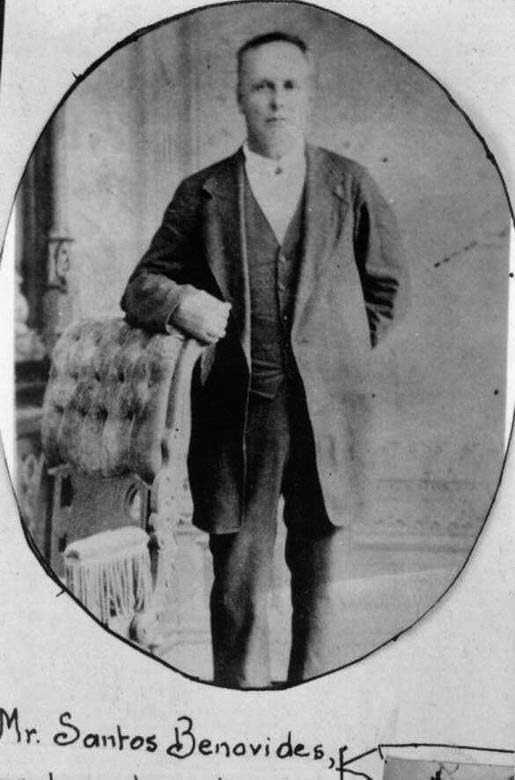 Santos
Benavides, Occupation: Merchant, Rancher,
Politician. Capt. 33rd TX Cavalry. (Benavides’ Regiment –
Confederate) Born: Laredo,
TX – Nov. 1, 1823 Died: Laredo,
TX – Nov. 9, 1891.
Santos
Benavides, Occupation: Merchant, Rancher,
Politician. Capt. 33rd TX Cavalry. (Benavides’ Regiment –
Confederate) Born: Laredo,
TX – Nov. 1, 1823 Died: Laredo,
TX – Nov. 9, 1891.